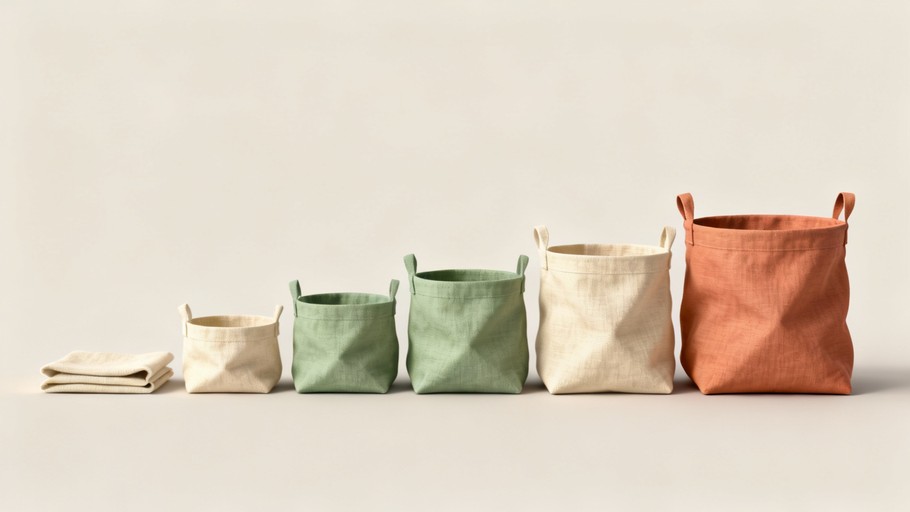
A new year is around the corner, and there’s no better time to hit refresh! Clearing out clutter isn’t just about a clean space—it’s about clearing mental blocks, boosting focus, and making room for the energy you want to carry into the next chapter. Let’s step into the year lighter, brighter, and more intentional than ever.
The Productivity Reset: Why Decluttering is Your Secret Weapon
Decluttering your environment isn’t just about having a tidy space—it has tangible mental, emotional, and even physical benefits. Here’s a breakdown of the key advantages, particularly around focus and productivity:
Enhanced Focus and Mental Clarity
- A cluttered environment frequently results in a cluttered mind. Visual distractions—piles of papers, scattered items, or disorganized desks—can pull your attention away from tasks.
- By removing excess items, your brain can focus on what truly matters, reducing cognitive overload.
Increased Productivity
- Fewer distractions mean tasks get completed faster and with more accuracy.
- An organized workspace allows you to find things quickly, eliminating wasted time searching for documents or tools.
Reduced Stress and Anxiety
- Clutter can subconsciously signal unfinished tasks, creating mental tension.
- A clean, organized environment promotes a sense of calm and control, lowering stress hormones and making it easier to think clearly.
Better Decision-Making
- When your environment is organized, your brain has fewer irrelevant stimuli to process, which helps you make decisions faster and more effectively.
Boosted Creativity
- Decluttering opens physical and mental space for creativity. Without constant visual noise, your mind can wander, innovate, and problem-solve more effectively.
Improved Energy and Motivation
- A tidy space can feel energizing, making it easier to start tasks instead of procrastinating.
- Completing decluttering itself is a motivational win that can spill over into other areas of your life.
Health and Hygiene Benefits
- Less clutter often means less dust, mold, and allergens—supporting physical well-being, which in turn improves mental performance.
In short: Decluttering transforms your environment into a tool rather than a distraction, allowing your mind to focus, your tasks to flow, and your productivity to soar.

Find Your Flow: Decluttering Methods That Actually Work
Decluttering isn’t one-size-fits-all—different methods suit different personalities and goals. Here’s a comprehensive overview of popular and effective decluttering methods:
The Marie Kondo Method (KonMari)
- Core idea: Keep only items that “spark joy.”
- How it works: Tackle clutter by category, not location (e.g., clothes, books, papers, miscellaneous, sentimental items).
- Benefits: Encourages mindful decision-making and emotional connection with belongings.
The Minimalist Method
- Core idea: Less is more—simplify your space to essentials.
- How it works: Remove items that aren’t necessary or don’t serve a purpose; focus on quality over quantity.
- Benefits: Promotes simplicity, reduces decision fatigue, and makes cleaning easier.
The Four-Box Method
- Core idea: Sort everything into four categories: Keep, Donate/Sell, Trash, Relocate.
- How it works: Go through items systematically and place them in the appropriate box.
- Benefits: Provides a structured approach and clear action steps for every item.
The One-In-One-Out Rule
- Core idea: For every new item you bring in, remove one old item.
- How it works: Maintain balance over time and prevent clutter from building up.
- Benefits: Great for ongoing maintenance, especially in spaces like closets or kitchens.
Time-Based Decluttering
- Core idea: Dedicate short, timed sessions to decluttering.
- How it works: Use a timer (e.g., 15–30 minutes) and declutter until the time is up. Repeat regularly.
- Benefits: Prevents overwhelm and makes decluttering manageable for busy schedules.
The 12-12-12 Challenge
- Core idea: Quickly declutter by identifying 12 items to keep, 12 to donate, and 12 to throw away.
- How it works: Walk around a room or space, pick items, and assign them to a category.
- Benefits: Fast, fun, and surprisingly effective for small spaces or beginners.
Digital Decluttering
- Core idea: Declutter your virtual environment—files, emails, apps, and devices.
- How it works: Delete unused apps, organize files, unsubscribe from emails, and streamline your digital life.
- Benefits: Reduces digital overwhelm and improves productivity and focus.
Seasonal or Task-Oriented Decluttering
- Core idea: Focus on decluttering by season or specific task.
- How it works: For example, declutter winter clothes when spring arrives, or tackle one room per week.
- Benefits: Breaks the process into manageable chunks and aligns with practical life cycles.
Create Serenity: Align Your Energy with the Spaces You Live In
Aligning your energy with your surroundings is about creating harmony between your inner state and the external environment, which can profoundly impact your peace and well-being. Here’s a breakdown of how and why it works:
Reduces Mental and Emotional Clutter
- When your environment reflects calm and order, it’s easier for your mind to relax.
- Cluttered or chaotic spaces can subconsciously create tension, anxiety, or overstimulation.
- A tidy, intentional space encourages mental clarity and emotional balance.
Supports Mindful Living
- Surroundings that resonate with your values, aesthetics, and needs make it easier to be present.
- For example, spaces with natural light, greenery, or calming colors can help you feel grounded and centered.
- Mindful environments subtly cue your mind to slow down and focus on what matters.
Enhances Energy Flow
- Concepts from feng shui and other energy-focused practices suggest that the arrangement of objects, furniture, and light can influence emotional energy.
- Open, organized spaces allow energy to flow freely, promoting vitality and reducing feelings of stagnation or stress.
Encourages Positive Habits
- Environments aligned with your goals support intentional actions.
- For instance, a clutter-free workspace encourages productivity, a cozy reading nook invites relaxation, and a serene bedroom promotes restful sleep.
Fosters a Sense of Control and Safety
- When your surroundings are in harmony with your energy, you feel more in control of your life.
- This sense of order and intentionality reduces anxiety and cultivates inner peace.
Improves Emotional Resonance
- Spaces that reflect your personality or desired state—calm, vibrant, inspiring—help you resonate with that energy internally.
- Surroundings can act as a gentle mirror, reinforcing the emotional and mental state you want to cultivate.
In short: Aligning your energy with your surroundings creates a feedback loop—calm, organized, and intentional spaces support inner peace, which in turn enhances your relationship with your environment.

Decluttered and Thriving: How to Maintain a Clean, Peaceful Environment
Maintaining a clutter-free space is often more challenging than the decluttering itself—but with consistent habits, it becomes effortless. Here are effective ways to keep your environment organized and serene:
Adopt the One-In-One-Out Rule
- For every new item you bring into your space, remove one old item.
- Prevents accumulation and keeps your possessions intentional.
Create a Daily Reset Routine
- Spend 5–10 minutes at the end of each day tidying up.
- Put away items, clear surfaces, and reset your space so it’s ready for the next day.
Assign a Home for Everything
- Every item should have a designated spot.
- When you use something, return it immediately—no “temporary places” for things.
Declutter in Small Batches
- Regularly dedicate 10–15 minutes a week to assess your belongings.
- Focus on one category or one area, like a drawer, shelf, or digital folder.
Use Storage Strategically
- Utilize bins, baskets, shelves, and organizers to keep items neat and accessible.
- Label containers so everything has a clear place, making tidying easier.
Avoid Impulse Purchases
- Before buying, ask: “Do I really need this? Does it add value or joy?”
- Mindful purchasing prevents unnecessary items from entering your space.
Implement the “Touch It Once” Principle
- Handle items only once if possible—file paperwork immediately, put clothes away after laundry, etc.
- Reduces the chance of piles forming.
Keep Flat Surfaces Clear
- Clear countertops, desks, and tables of unnecessary items.
- Minimal surfaces instantly make spaces feel organized and stress-free.
Digital Decluttering
- Regularly clean emails, files, apps, and photos.
- Digital clutter can weigh on your mind just like physical clutter.
Make It a Mindset
- Treat decluttering and organization as an ongoing lifestyle rather than a one-time task.
- Consistency and intentionality are key to maintaining a peaceful environment.
Final Thought
Decluttering isn’t just about tidying up—it’s about creating space for the life you want to live. When your surroundings are organized and intentional, your mind naturally follows, allowing clarity, focus, and calm to flourish. Aligning your energy with your environment is a powerful way to reduce stress, boost well-being, and step into each day with purpose.
As the new year approaches, see decluttering as more than a chore—it’s a reset, a way to release what no longer serves you and make room for the energy, opportunities, and peace you deserve. Start small, stay consistent, and watch how a tidy space transforms your mind and your life.
Comments are closed