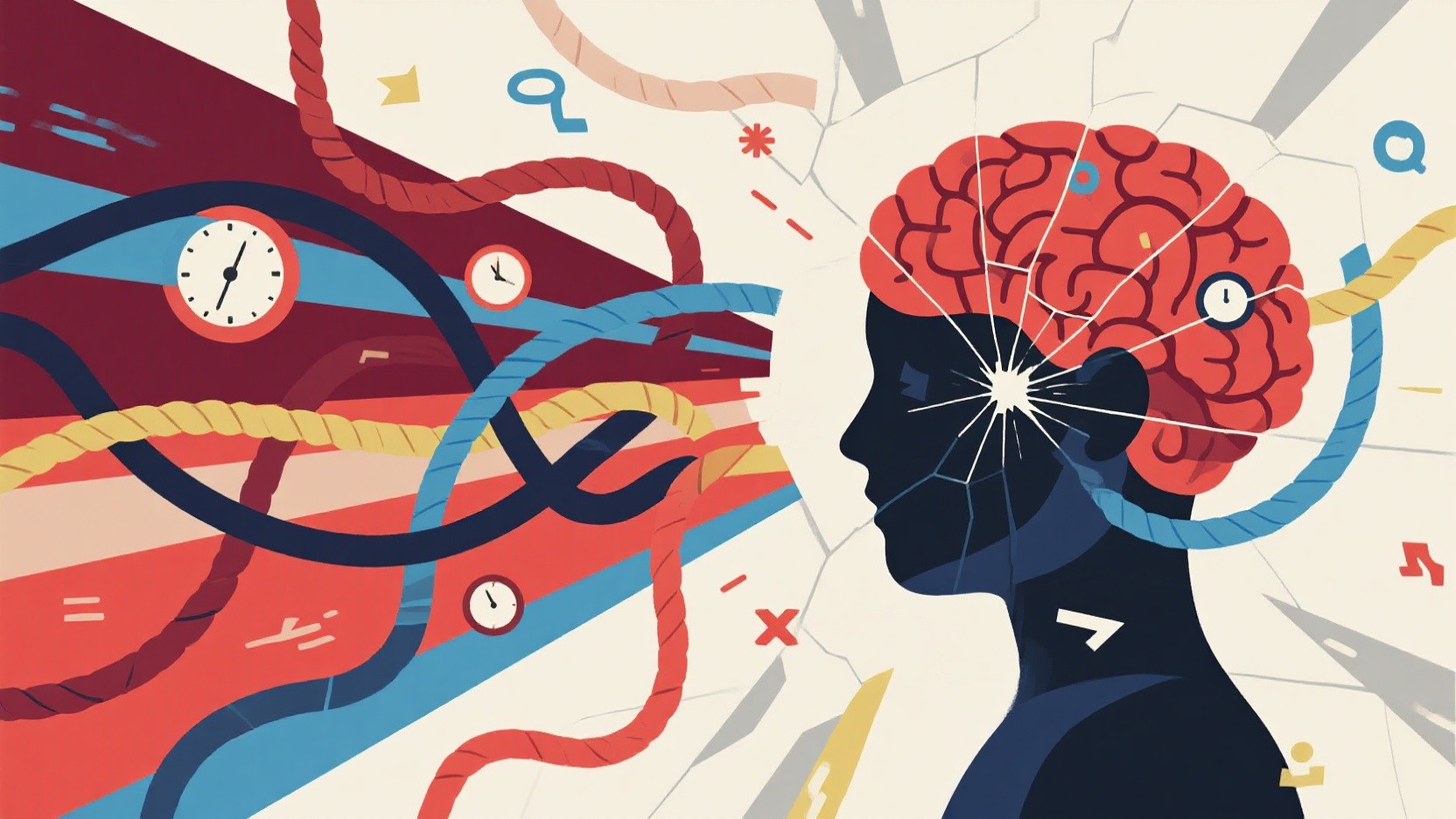
When we hear the word healing, most of us immediately picture peace. Soft sunlight streaming through the window, slow mornings with a warm cup of tea, or the calm rhythm of journaling our way to clarity. It’s a beautiful image—and one that many of us secretly hold onto when we start our own journey of growth. But the reality? Healing rarely feels that graceful. More often than not, it feels heavy, raw, and unpredictable. It’s crying in the car after holding it together all day. When old patterns reappear, it’s a sign that you need to examine yourself. It’s progress that doesn’t look like progress at all—two steps forward, one step back, and sometimes standing still.
The pressure we put on ourselves to heal the “right” way often makes the process harder than it needs to be. Expectations whisper that it should be faster, smoother, or prettier than it really is. And when our reality doesn’t match that vision, we feel like we’re failing. But here’s the truth: healing under pressure is still healing. Growth often hides in the moments we least expect—in the messy middle, in the setbacks, and in the quiet resilience of simply trying again.
This post is about untangling the weight of those expectations and discovering how real growth unfolds—not perfectly, but powerfully, in its own time.
🧱 How Society Skews Our View of Healing
Modern culture often equates healing with:
- Visible improvement (“You look better now!”)
- Quick fixes (“Just stay positive!”)
- Constant upward motion (“You should be over this by now.”)
These expectations are not only unrealistic—they’re harmful. They push people to rush their healing or suppress it altogether just to appear “fine.” As a result, many begin to judge themselves harshly when their journey doesn’t match society’s timeline.
Healing isn’t linear—but society teaches us to see it as a straight line to success.
😔 The Shame Spiral of ‘Not Enough’
When your healing is slow, messy, or invisible, you might start to wonder:
- Am I doing it wrong?
- Why am I still struggling?
- Why does everyone else appear to have everything together?
This creates a toxic loop where people feel pressured to perform healing, rather than actually experience it. And that disconnect only deepens the pain.
💡 Reclaiming Healing as a Personal, Sacred Process
To truly grow, we must unlearn the idea that healing is something to be measured, judged, or compared. Instead, we return to these truths:
- Healing looks different for everyone.
- Growth can be invisible for a long time before it blooms outwardly.
- Rest, stillness, and even breakdowns can be part of the healing process—not signs of failure.
The goal is not to heal perfectly. The goal is to heal honestly.
🔄 Healing on Your Own Terms
To resist societal pressure, we can:
- Practice self-compassion over self-comparison.
- Surround ourselves with people who hold space, not expectations.
- Allow our healing to move at the pace of trust, not urgency.
- Recognize progress and pause as valid parts of the process.

How Community and Connection Fuel Healing
🤝 Healing in Connection: The Impact of Community Support
We often hear that “healing is an inside job”—and while it’s true that much of the work is internal, we’re not meant to do it alone. Healing becomes deeper, safer, and more sustainable when it happens within the presence of others who see us, support us, and hold space for who we’re becoming.
Why Community Support Matters in Healing
It Breaks the Isolation of Pain
Trauma, grief, and mental health struggles often carry a silent weight. People withdraw or mask their pain to avoid burdening others. But healing thrives in connection, where someone says:
“You’re not alone. I see you.”
Being witnessed and accepted in our vulnerability can be profoundly regulating and affirming.
It Offers Emotional Regulation Through Co-Regulation
When our nervous system is dysregulated (anxious, shut down, or overwhelmed), being around calm, supportive people helps us co-regulate—our bodies and emotions find balance through the energy and presence of others.
Healing doesn’t always happen through words—sometimes it’s in the quiet safety of someone just sitting with us.
It Provides Mirrors for Growth
Community reflects our progress back to us when we can’t see it ourselves.
Friends, support groups, or chosen family can:
- Remind you of how far you’ve come.
- Reflect your worth when your inner critic is loud.
- Help you stay grounded and accountable.
It Normalizes the Journey
When we share space with others who are also healing, we realize:
- We’re not broken.
- We’re not behind.
- Our pain is not shameful.
This de-shaming effect allows people to relax into their healing process, rather than performing or hiding it.
What Healing-Centered Community Can Look Like
Support groups (in-person or virtual)
- Group therapy or circles for trauma, grief, identity, etc.
- Spiritual or creative communities that value emotional honesty.
- Chosen family or affirming friendships built on trust and safety.
- Peer mentorship or reciprocal care relationships.
Healing doesn’t require a crowd. It just requires real, safe connection.
Building or Seeking Supportive Communities
If community is something you’re still building, here are gentle strategies:
- Start with one safe person and build from there.
- Join healing-centered spaces: book clubs, wellness classes, spiritual groups.
- Seek trauma-informed or identity-affirming spaces where your story is respected.
- Be honest about your needs and boundaries—real connection is built on authenticity.
The Healing Power of Belonging: Why Community Matters
Community support is one of the most powerful elements in the healing journey because it directly addresses two major obstacles many people face: isolation and the sense of not belonging.
Here’s how it makes a difference:
- Creates connection: Being part of a community reminds individuals that they are not alone in their struggles. Simply knowing others understand or share similar experiences can reduce feelings of loneliness and despair.
- Fosters belonging: When people feel accepted and valued in a group, it nurtures their identity and self-worth. This sense of belonging is vital for emotional stability and resilience.
- Encourages openness and vulnerability: People can express their emotions in safe, supportive environments without fear of being criticized.
Since this openness confirms experiences that could otherwise be suppressed, it can be extremely healing.- Exchanging insights and experiences: In a supportive community, members offer practical tips, encouragement, and guidance, helping each other grow and heal more quickly.
- Builds accountability and motivation: Being surrounded by others who encourage progress can keep someone committed to their healing journey, even when it feels challenging.
- Replaces isolation with purpose: Engaging with others and offering support in return helps individuals find meaning in their experiences, transforming pain into empathy and connection.
✨ In short: community support acts as a bridge from isolation to connection, making healing not just an individual effort, but a collective journey.

How Technology is Healing the World: Building Community and Connection in a Digital Age
Technology has significantly reshaped how communities form and thrive, particularly in the context of healing and support. While connection once relied heavily on physical proximity, today’s digital platforms have made it possible for people to build meaningful bonds across borders, time zones, and cultures.
Here’s how technology impacts community and connection in healing:
- Breaking geographic barriers: Virtual platforms—forums, support groups, video calls, and social networks—allow individuals from different parts of the world to come together, ensuring that no one has to face challenges alone simply because of where they live.
- Accessibility of resources: Online spaces provide immediate access to educational content, therapy tools, and peer-led discussions, making healing resources more widely available to those who may not have local support.
- Shared experiences across cultures: Digital communities foster cross-cultural understanding and solidarity, showing individuals that healing is a universal journey, even if expressed differently in each context.
- Anonymity and safety: Technology allows people to engage with communities at their own comfort level—sometimes even anonymously—creating safe spaces where vulnerability feels less intimidating.
- 24/7 support systems: Unlike physical gatherings, digital platforms never close. Whether it’s a late-night anxiety episode or an early-morning moment of reflection, someone, somewhere is online and available to connect.
- Empowerment through storytelling: Social media and online groups give people platforms to share their stories, which not only empowers the storyteller but also inspires and validates others on similar paths.
✨ In essence, technology has transformed healing communities into global networks of belonging, where support, empathy, and knowledge can circulate freely, creating a collective strength that reaches far beyond what one could access alone.
Final Thoughts
Healing isn’t about living up to an ideal or racing toward some perfect version of yourself. It’s about showing up, even when the process feels messy, slow, or uncertain. The pressure of expectations will always be there—but you get to decide whether to let them weigh you down or to release them and grow at your own pace. Remember, every small step, every quiet act of self-kindness, every moment you choose peace over pressure—that’s healing. That’s growth. And it’s enough.
Comments are closed